Article
Banned in Europe, adopted in India
How European facial recognition technology restricted at home is finding a large market in India.
16 Jul 20261 min readAI4U Desk
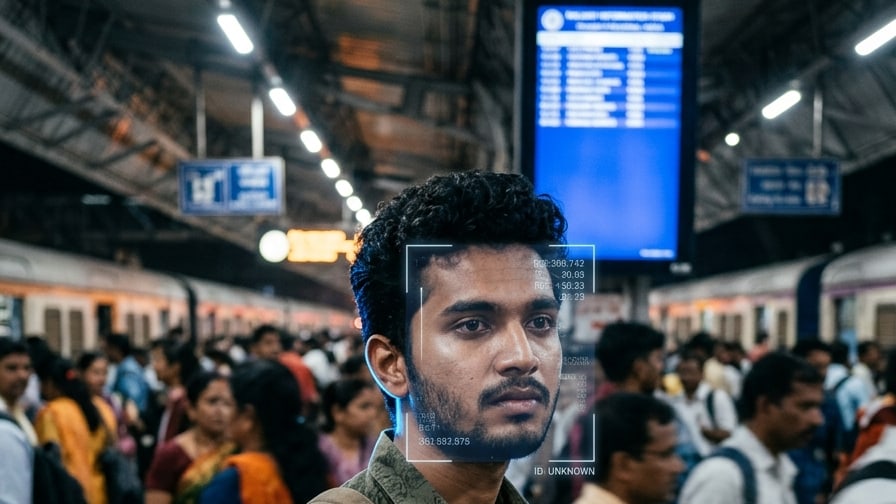
European AI firms are reportedly scaling facial recognition systems banned in their home countries into Indian markets. This deployment of technology deemed unsafe elsewhere raises important questions around consent, citizen privacy, and the protection of sovereign data.
Spain-based Herta supplies hundreds of railway stations across the region, Delhi's largest prison complex, Howrah Station, a pilgrimage site in Ayodhya, and the city control rooms of Ahmedabad. India runs more than 4,000 Herta-powered cameras, which are partly funded by the Nirbhaya Fund, a public money pot aimed at tackling sexual violence. Notably, two of these Indian deployments—Eastern Railway and Ahmedabad—would be illegal under European rules. Meanwhile, since 2020, Herta has received over €3.3 million in EU research grants for crowd analysis and facial recognition work, leading MEP Brando Benifei to call the export of banned surveillance a dangerous double standard that Brussels can no longer ignore.
This adoption happens without comprehensive regulation. India has no comprehensive data-protection law in force, and existing measures exempt policing and law enforcement so broadly that deployments like these remain effectively unregulated. While the technology promises efficiency, deploying it without strict oversight creates significant concerns.
The need of the hour is thoughtful regulation rather than blanket resistance. Clear, well-designed guidelines from authorities can safeguard people and national data while allowing responsible innovation to grow, ensuring that technology serves people first through frameworks built on trust, transparency, and accountability.